
Staying in Providence
Staying in Providence wasn't some grand strategic decision — it happened because that's where our users were. Rhode Island has an absurd concentration of college students: Brown, RISD, Johnson & Wales, and about twelve other universities packed into a small state. If you're building for the college market, there's no better place to just walk onto a campus and talk to people.
Turning a student project into a company
Pangea started as a side project John and I were tinkering with, and I honestly didn't think of it as a company. The turning point came in a job interview at Harry's. I spent most of it talking about the concept we were building. The COO interrupted me and said, "You seem very excited about this idea. Have you considered working on it after you graduate?" I remember thinking — is that even possible?
We ended up applying to Brown's summer venture accelerator and got in. They gave each of us a small stipend to work on Pangea for eight weeks. We figured — what's the worst that happens? We'll learn a lot doing something we want to do. So we did it.
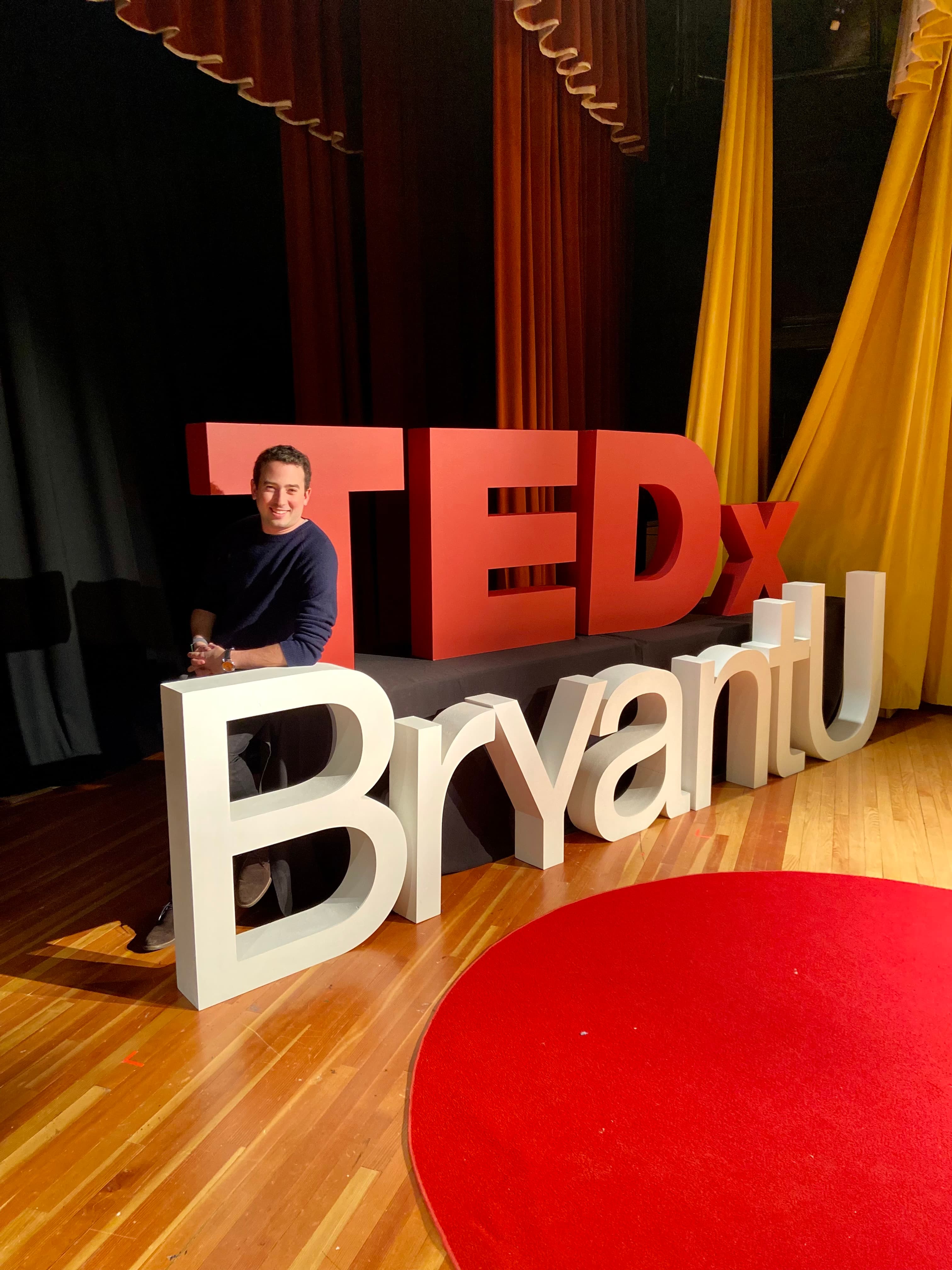
Early customers, early mistakes
We signed up our first thousand users by hand. Literally walking onto campuses, handing out rubber ducks and two-dollar bills to get people to download the app. The bigger issue was how anchored we got on our initial assumptions. We were locked into it being a mobile app, locked into the college student market, locked into a model where both buyers and sellers were students. That gave us a very limited view of the problems people were actually willing to pay to solve. It took us longer than it should have to realize we needed to shift toward higher-quality talent and a more professional freelance and fractional marketplace.
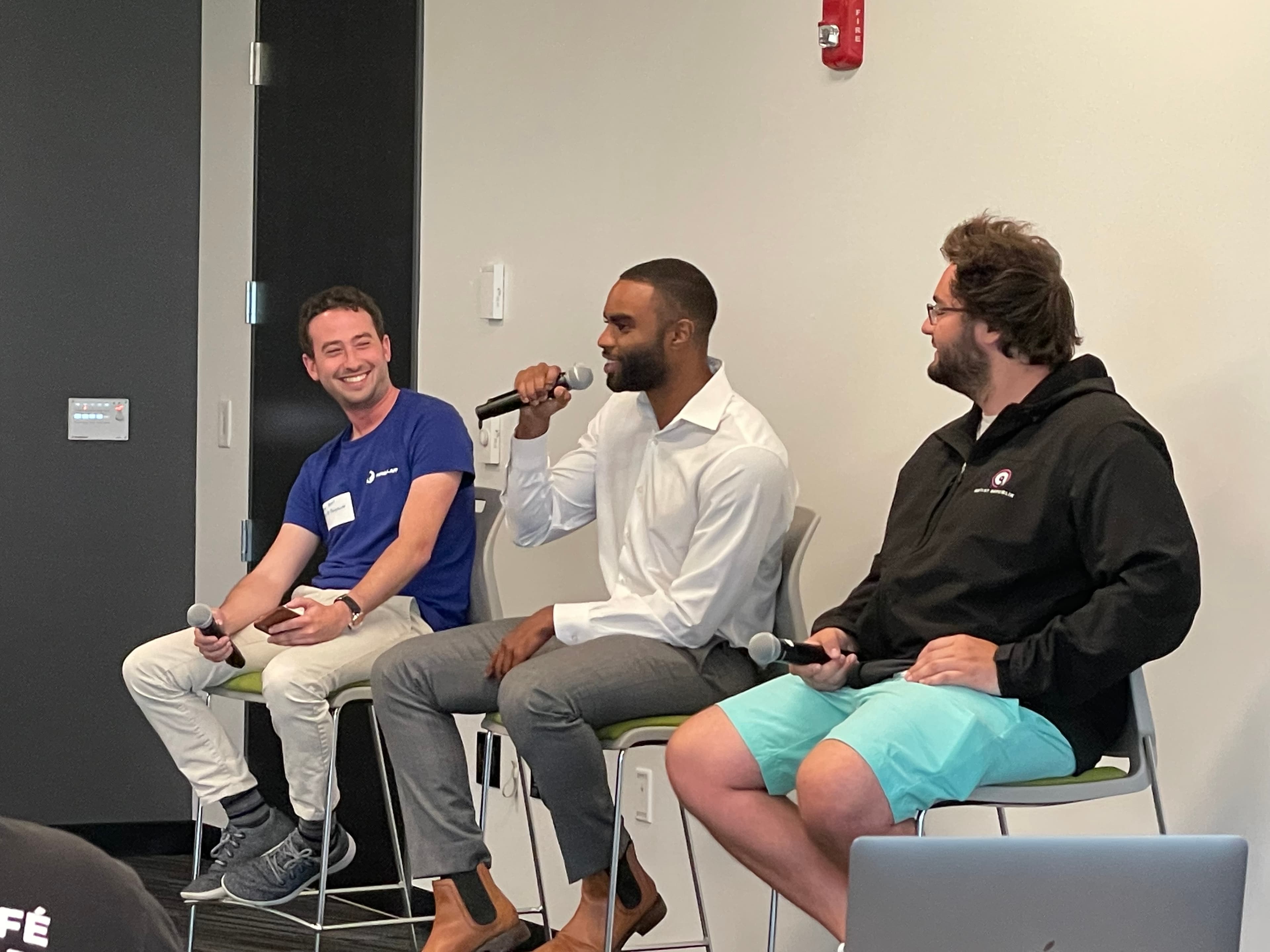
Going all-in on Pangea
There wasn't one dramatic "burn the boats" moment — it was more of a gradual compounding of commitment. Every small win made it harder to walk away, and every mistake taught us something we couldn't have learned any other way. The conviction came not from certainty that it would work, but from the fact that we genuinely wanted to do it.